
News | 24.10.2025
Melissa es muestra de la crisis climática: en el Corredor Biológico en el Caribe el Proyecto CCR les hace frente a estos eventos en beneficio de los comunitarios
Fenómenos como la tormenta Melissa son una manifestación clara de la crisis climática que golpea al Corredor Biológico del Caribe. Hoy, 24 de octubre Día Internacional contra el Cambio Climático, se recuerda la urgencia de acciones locales y globales. La reciente tormenta en República Dominicana es una prueba de que los eventos extremos son cada vez más frecuentes, lo que subraya la necesidad vital de proteger los ecosistemas para que estos nos puedan proteger a nosotros.
En el Caribe, los efectos del calentamiento son palpables: aumento de temperaturas, sequías e inundaciones que erosionan la vida y el trabajo en comunidades rurales y costeras. Estas amenazas golpean de manera desproporcionada a poblaciones que dependen directamente de los recursos naturales. Entre ellas, las mujeres rurales enfrentan vulnerabilidades específicas por su limitado acceso a la tierra, al crédito y a la toma de decisiones, además de la carga desproporcionada en las responsabilidades domésticas y el cuidado de los recursos.
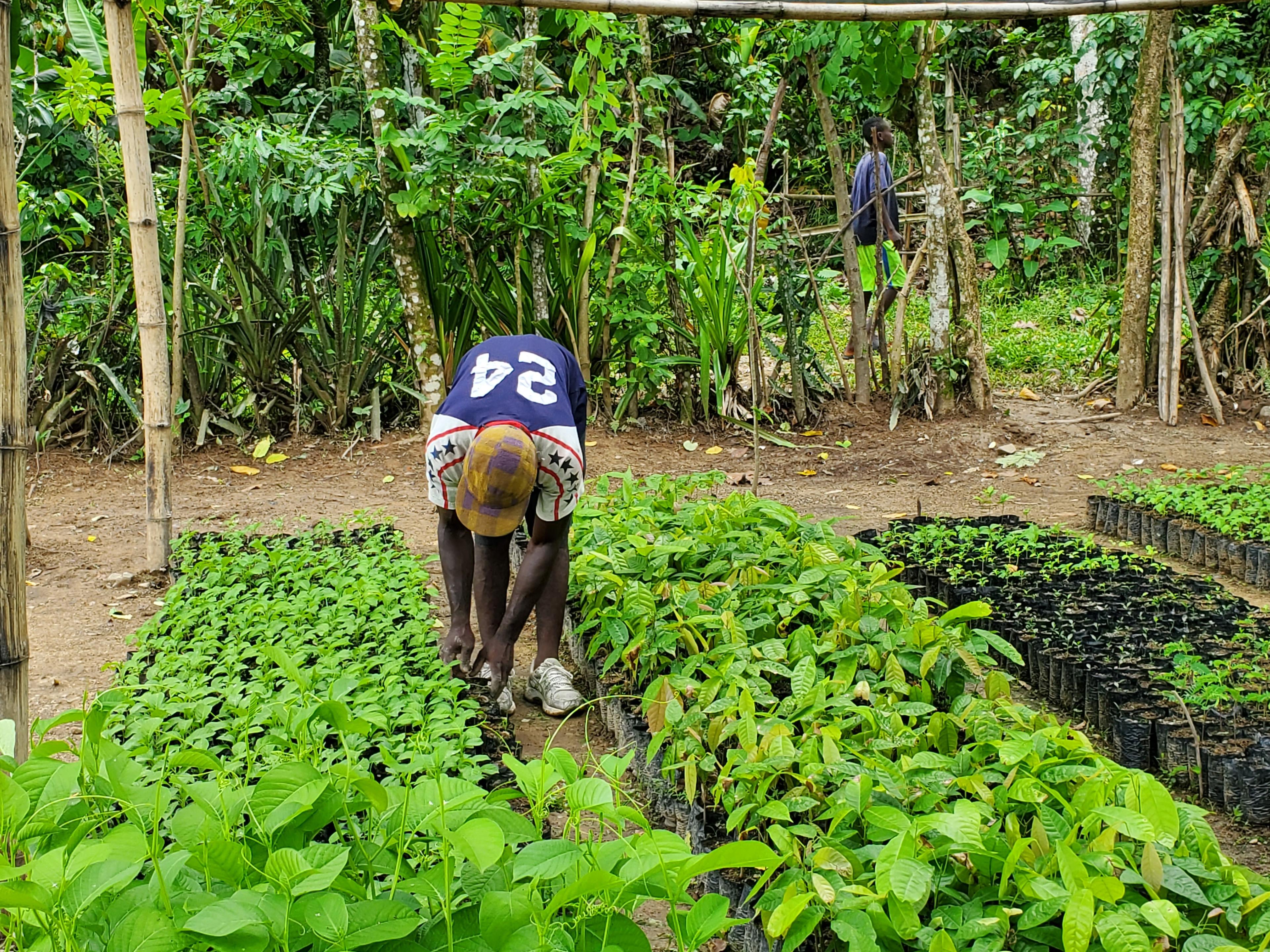
El Proyecto Comunidades Caribeñas Resilientes (CCR), liderado por Welthungerhilfe en alianza con OroVerde y socios locales en Cuba, Haití y República Dominicana, se posiciona como una iniciativa clave para mitigar estos impactos. El CCR desarrolla acciones integradas que incluyen la planificación territorial de Adaptación basada en Ecosistemas (AbE) con autoridades locales, la reforestación con especies nativas, el establecimiento de viveros comunitarios, la instalación de sistemas de captación de agua de lluvia y cisternas, la mejora de acueductos rurales y el impulso de prácticas agrícolas sostenibles para asegurar abastecimiento e ingresos en las comunidades beneficiarias.
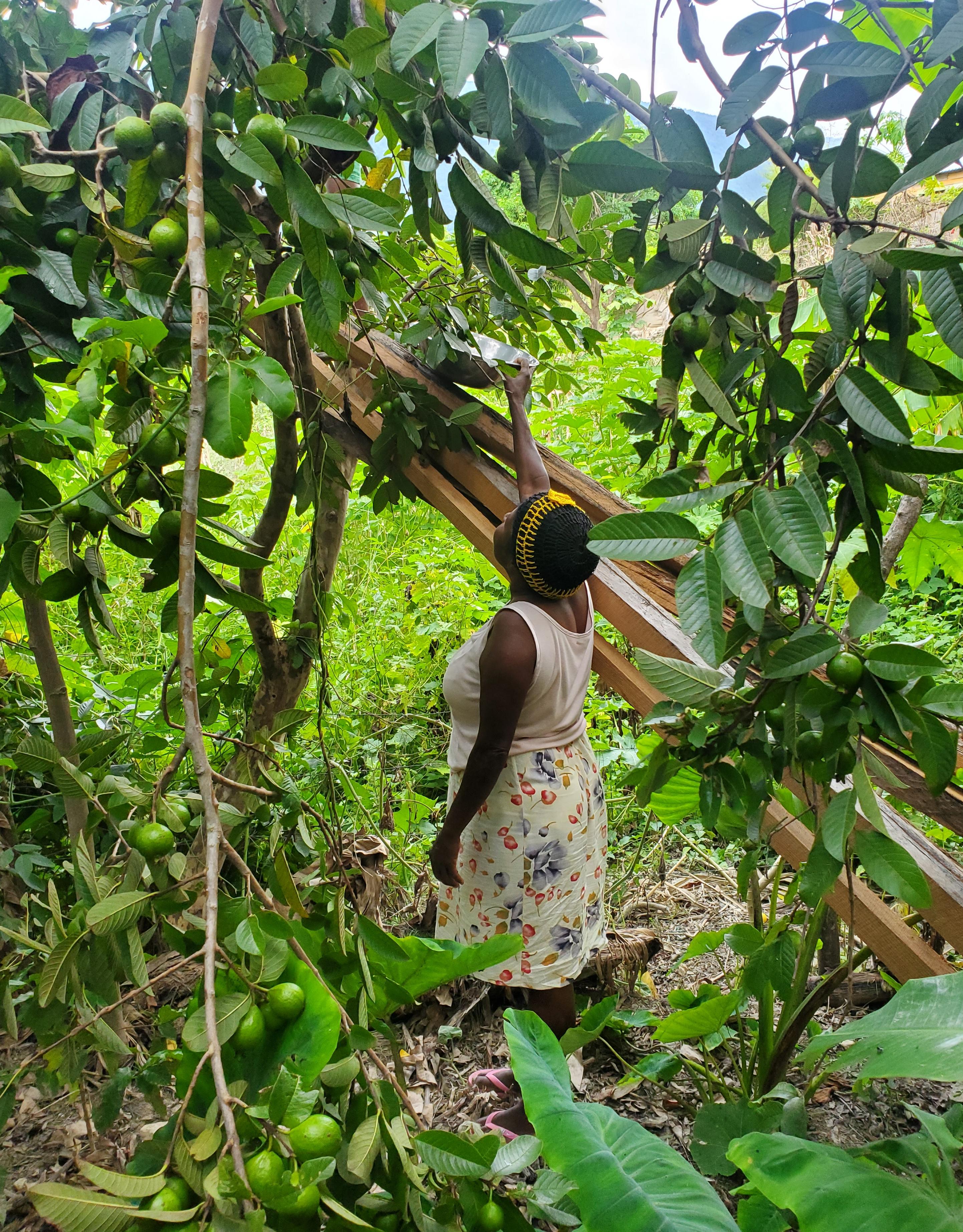
Las medidas de Adaptación Basada en Ecosistemas (AbE) impulsadas por el proyecto recuperan y mantienen los servicios esenciales que la naturaleza brinda a las poblaciones. Esto incluye la reforestación de cuencas para mejorar la recarga hídrica; barreras vivas y rampas anti-erosión para conservar suelos; y sistemas agroforestales y silvopastoriles que diversifican la producción y aumentan la retención de agua. Junto a estas acciones, el proyecto CCR promueve capacitación técnica, redes de gobernanza local, apicultura, transformación de productos agrícolas y la conservación de bosques y manglares. Todas estas acciones buscan amortiguar eventos climáticos extremos y consolidar una aproximación integral a la resiliencia.
El impacto reportado por el proyecto es significativo y tangible. Se han distribuido y plantado más de 2,2 millones de plántulas de árboles frutales y forestales, y se ha prestado apoyo directo con medidas AbE a más de 2.000 hogares rurales. De igual forma, 756 hogares han mejorado su acceso al agua y se han rehabilitado, reforestado y conservado alrededor de 2.600 hectáreas. Estos beneficios se consolidan porque las iniciativas son profundamente participativas: productores, mujeres, jóvenes y autoridades locales participan en la elaboración y validación de los planes AbE. El objetivo es codiseñar soluciones de adaptación al cambio climático en conjunto con las comunidades, dándole al medio ambiente el valor y la protección que necesita y facilitando la apropiación, sostenibilidad y réplica de las buenas prácticas. En el momento actual, el proyecto está desarrollando modelos de replicación para facilitar que otros municipios puedan sumarse a esta iniciativa.
El Día Internacional contra el Cambio Climático debe servir como un contundente llamado a la acción, pues la inacción es la mayor amenaza. El proyecto CCR demuestra que las soluciones locales, inclusivas y basadas en la naturaleza no solo son efectivas, sino también replicables a gran escala. Por ello, se exige un mayor compromiso de gobiernos, sector privado y sociedad civil para movilizar los recursos financieros y técnicos necesarios para escalar estas iniciativas. Solo con una apuesta sostenida por la mitigación y la adaptación, impulsada desde lo local y con visión de género, será posible proteger vidas, medios de subsistencia y la biodiversidad insustituible del Caribe.
Emmanuel Batista Moreta
be up to date with us