
News | 19.08.2026
From an Inherited Plot to a Model of Resilience: The Success of the “Piso Verde” Farm in Santiago Rodríguez
The integration of agroforestry practices and the ongoing collection of environmental data have turned Wendy Jáquez’s farm in the Dominican Republic into a model of resilient agriculture. Supported by Centro Naturaleza, this initiative demonstrates how the restoration of living soils is key to ensuring sustainability and addressing climate challenges.
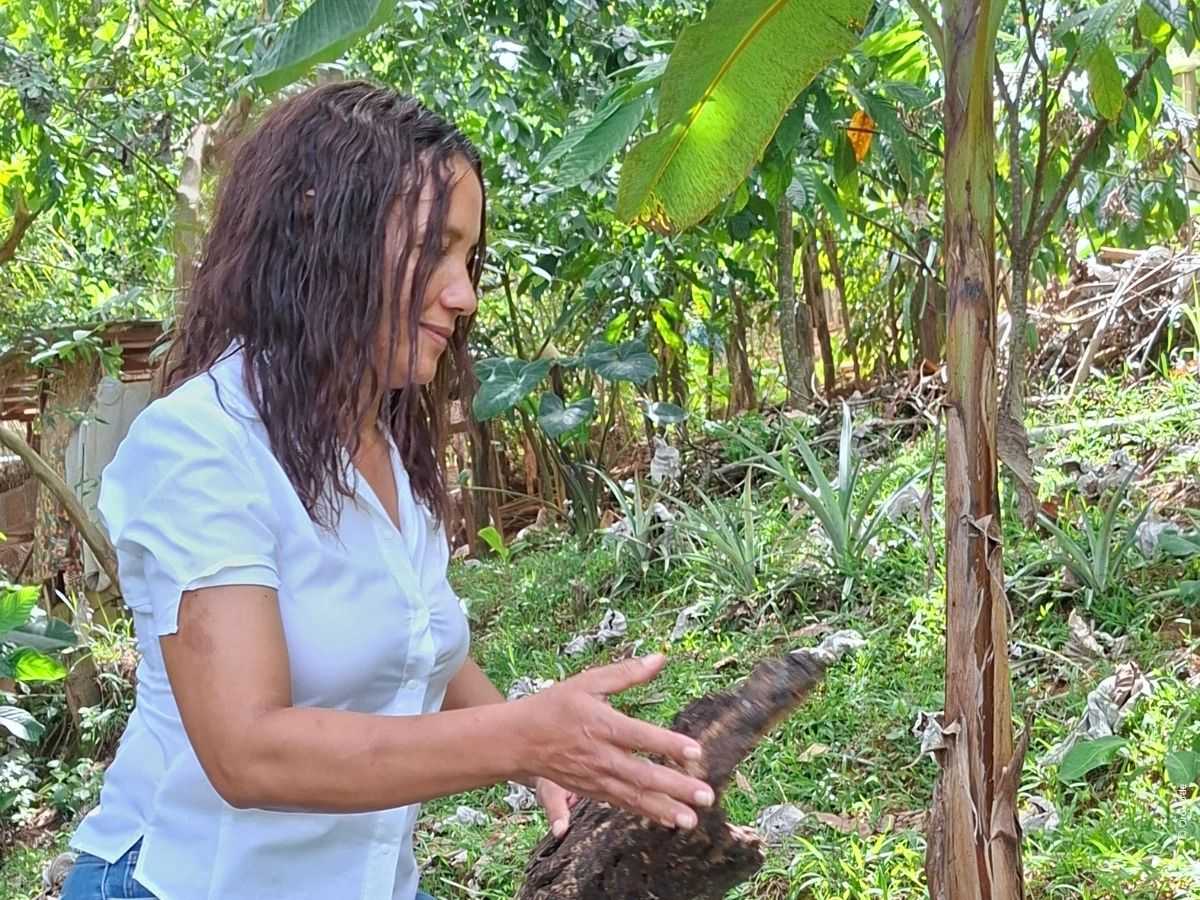
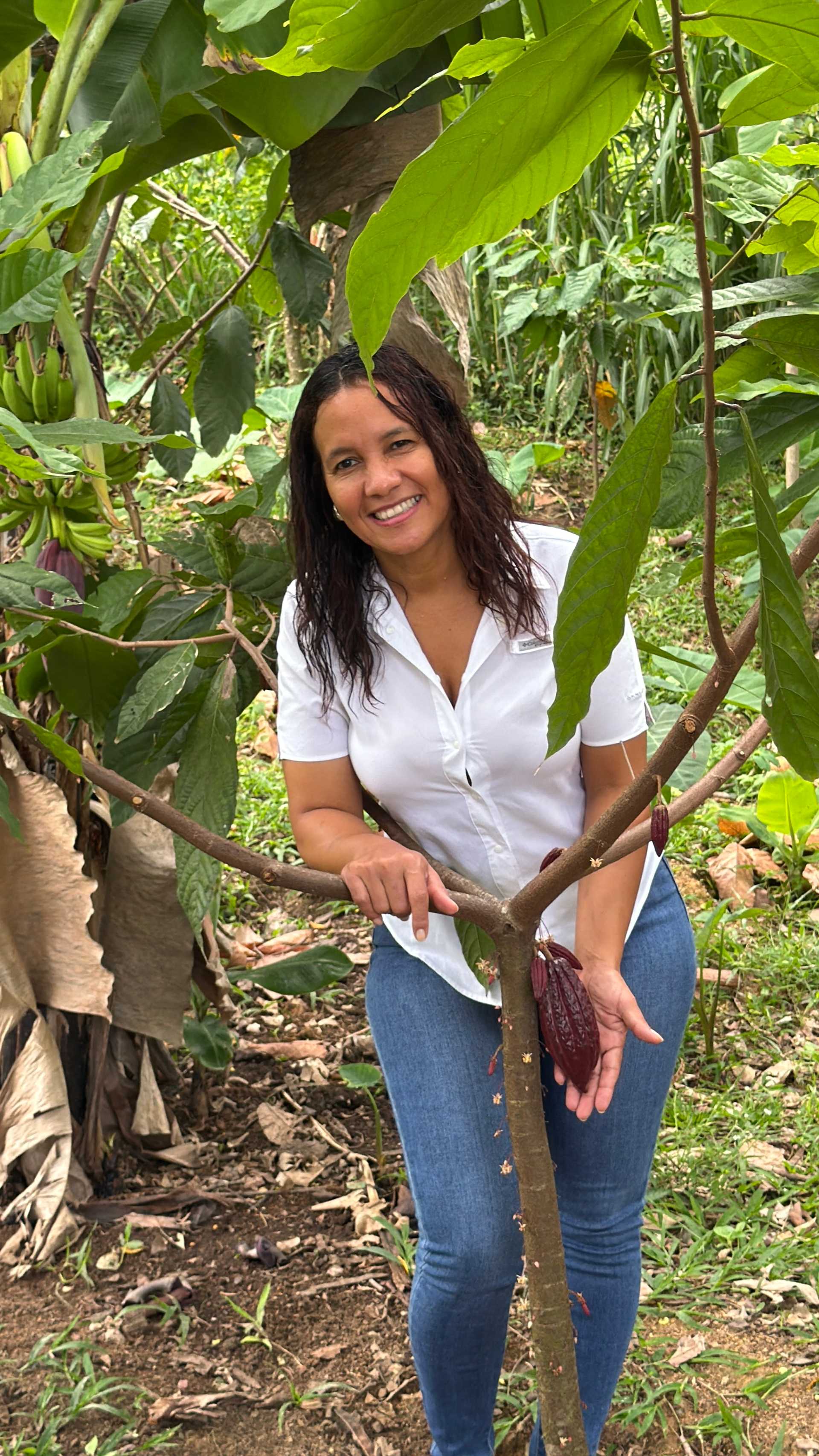
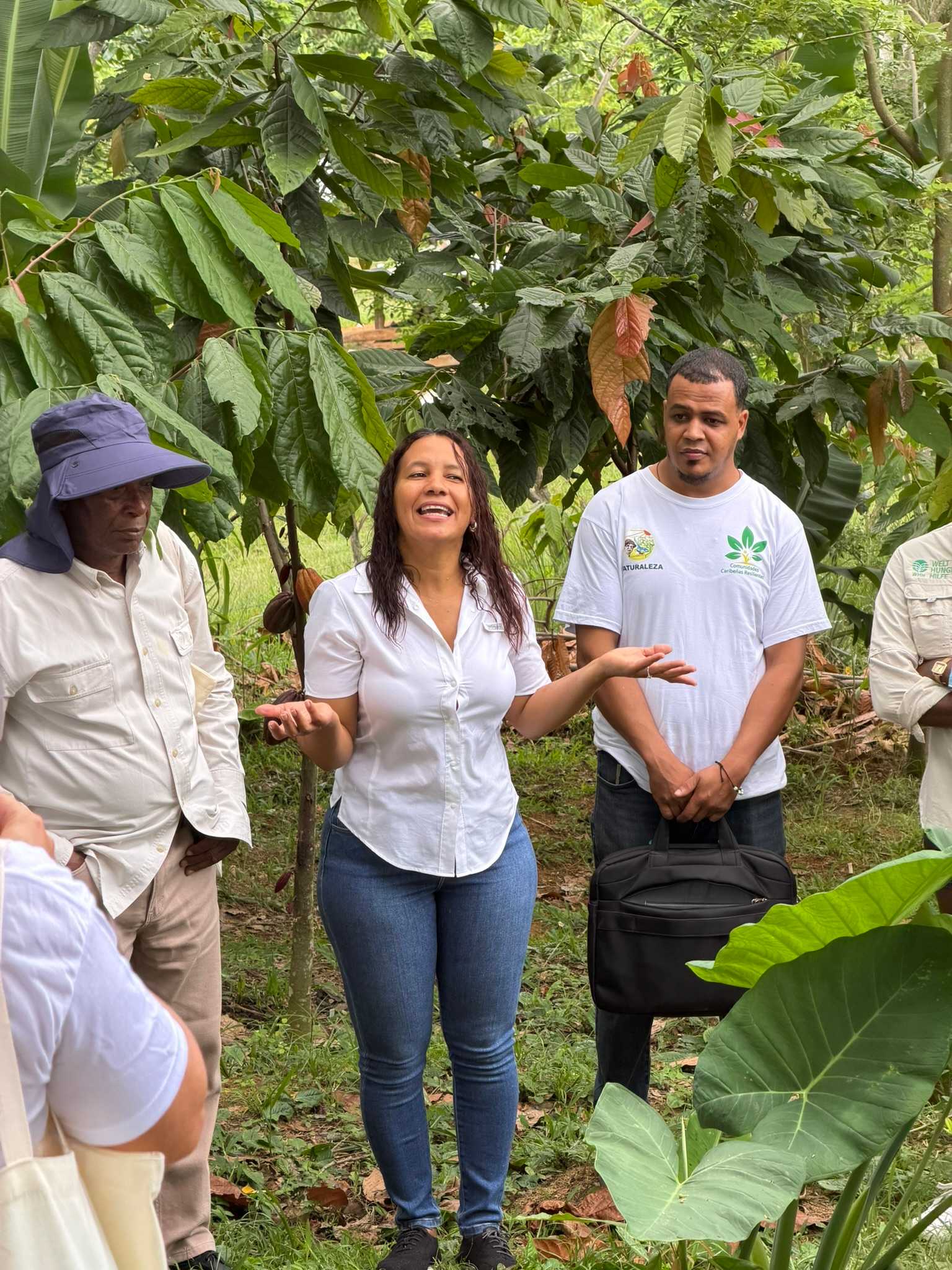
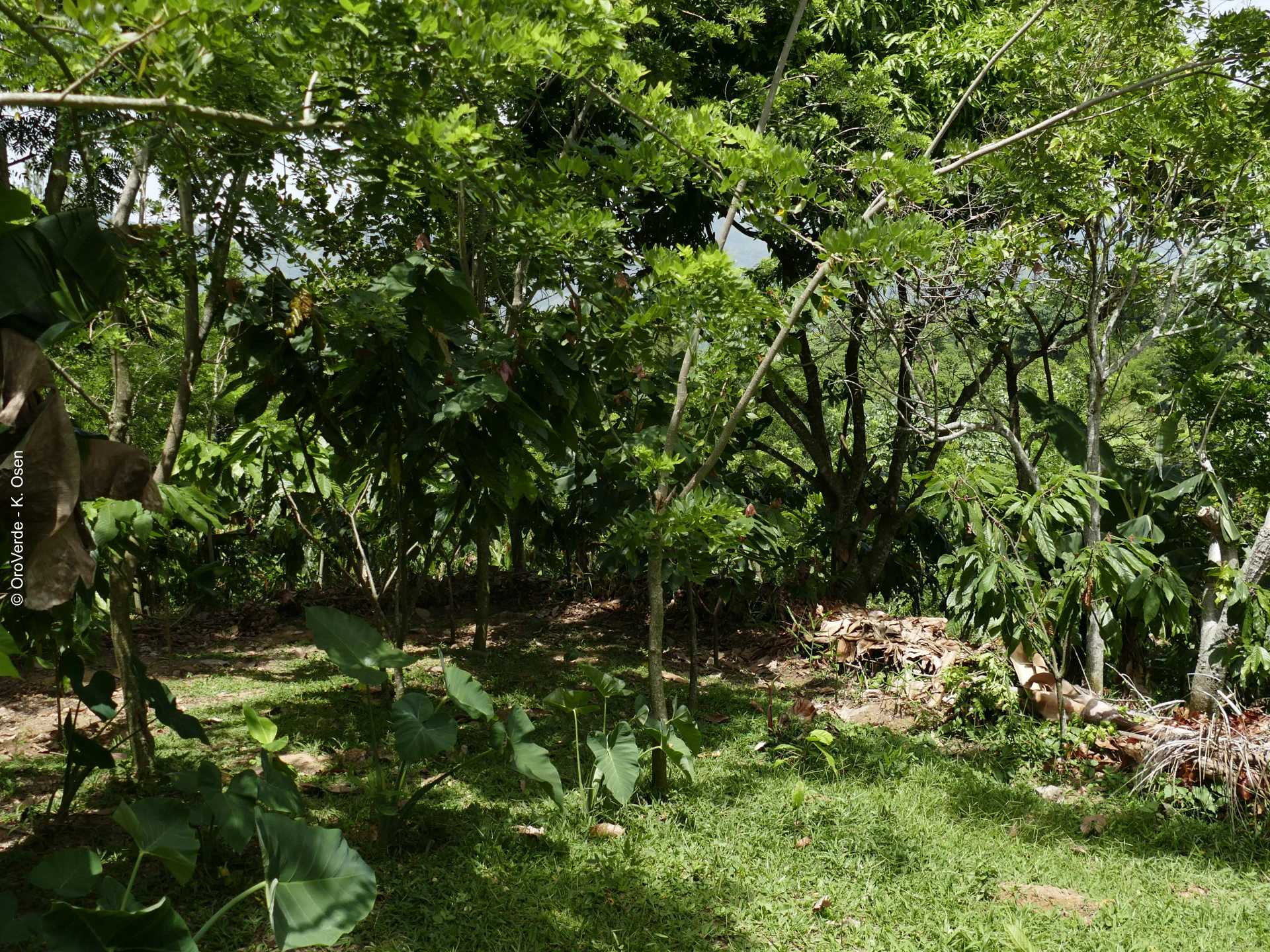
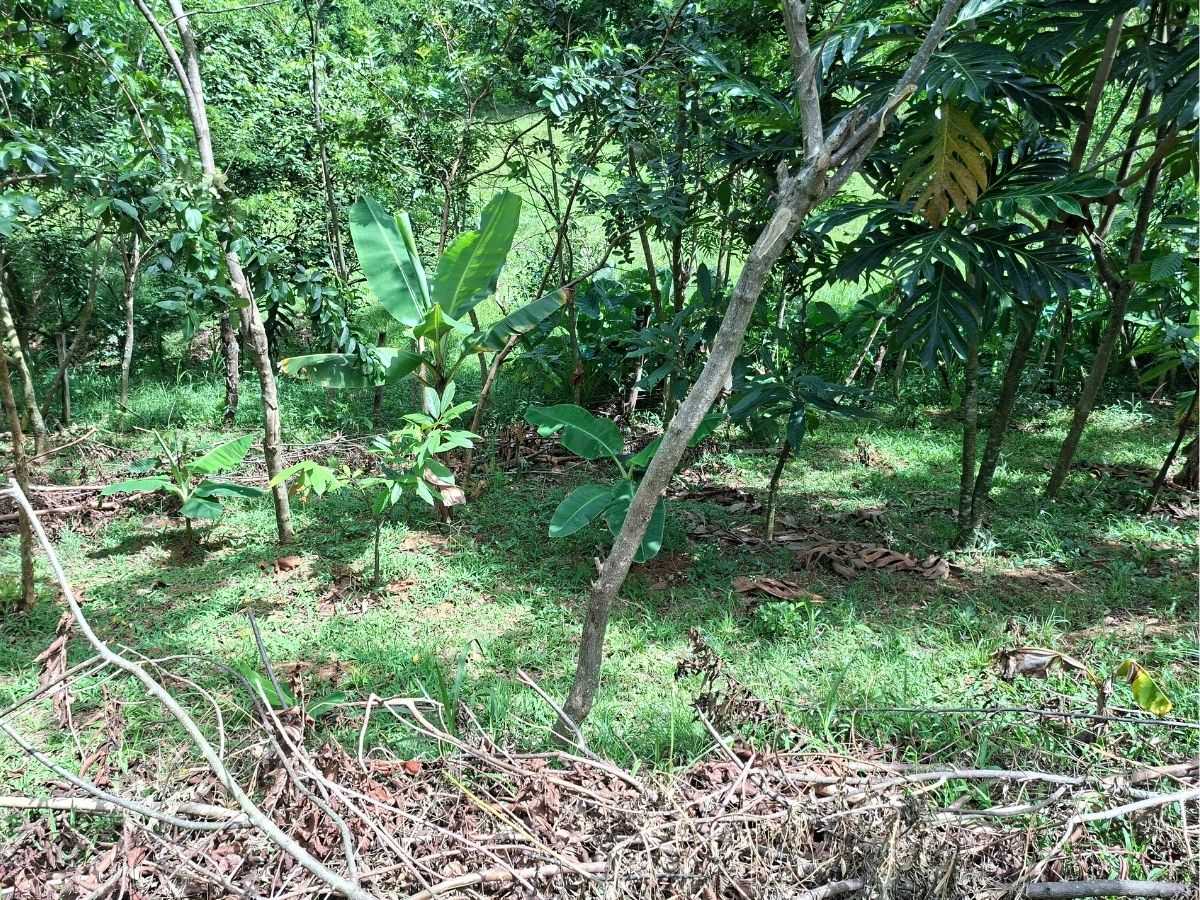
In the province of Santiago Rodríguez, Dominican Republic, Wendy Jáquez’s “Piso Verde” farm has become an inspiring model of climate-resilient agriculture. After inheriting 1.1 hectares of land, Wendy decided to cultivate the land and, with support from Centro Naturaleza as part of the Resilient Caribbean Communities (CCR) project, implemented a biodiverse agroforestry system. Today, this land is a productive ecosystem where cocoa, coffee, avocados, and plantains coexist, complemented by beekeeping, demonstrating the economic and environmental success of Ecosystem-Based Adaptation (EbA) approaches.
The foundation of this transformation lies in the restoration and conservation of the land through practices that ensure the vitality of the agricultural ecosystem. The installation of living barriers made of pineapple plants and natural barriers of branches has helped curb runoff during heavy rains, retaining moisture and increasing soil fertility. In addition, the integration of shade trees protects crops from intense sunlight and improves the local microclimate, bringing to life the vision of Héctor Almonte, director of the Centro Naturaleza, who emphasizes that “without living soils, there is no sustainability.”
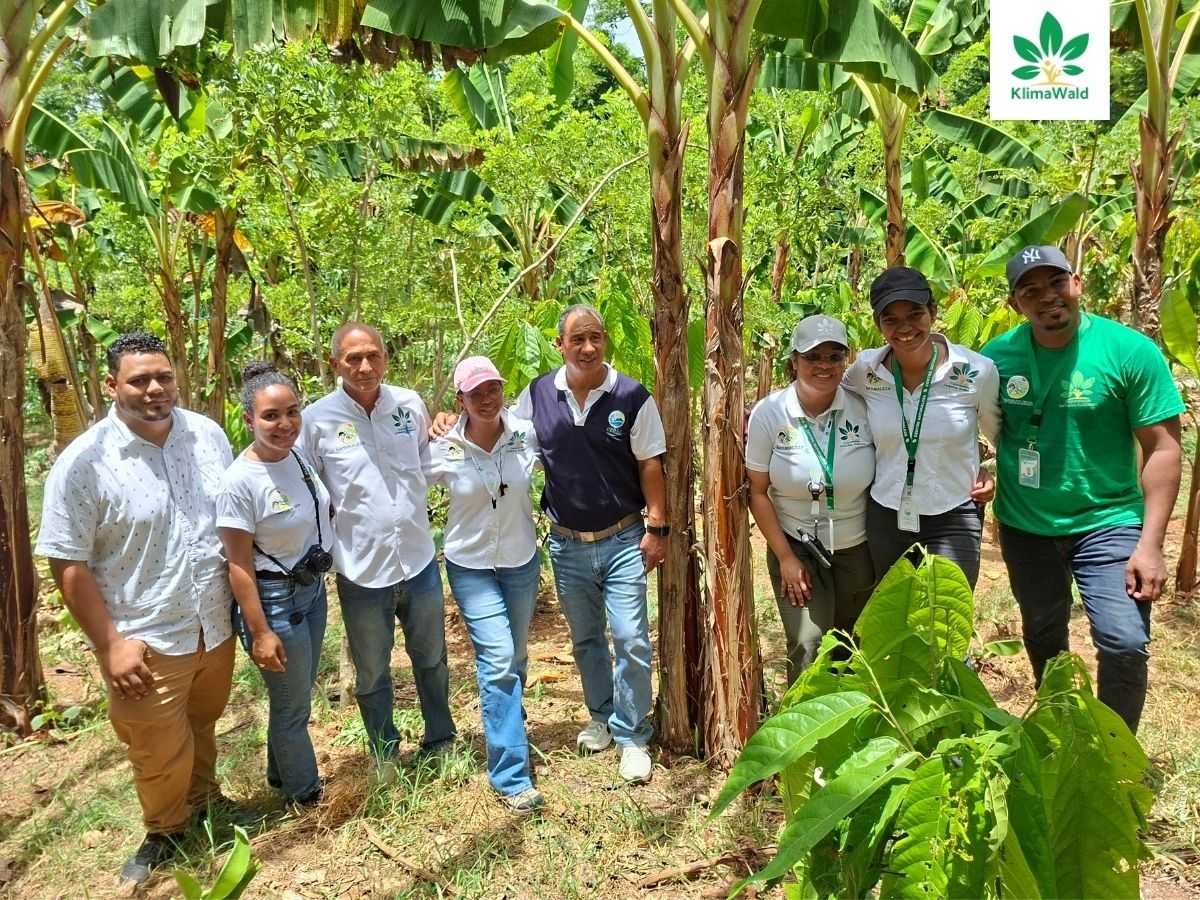
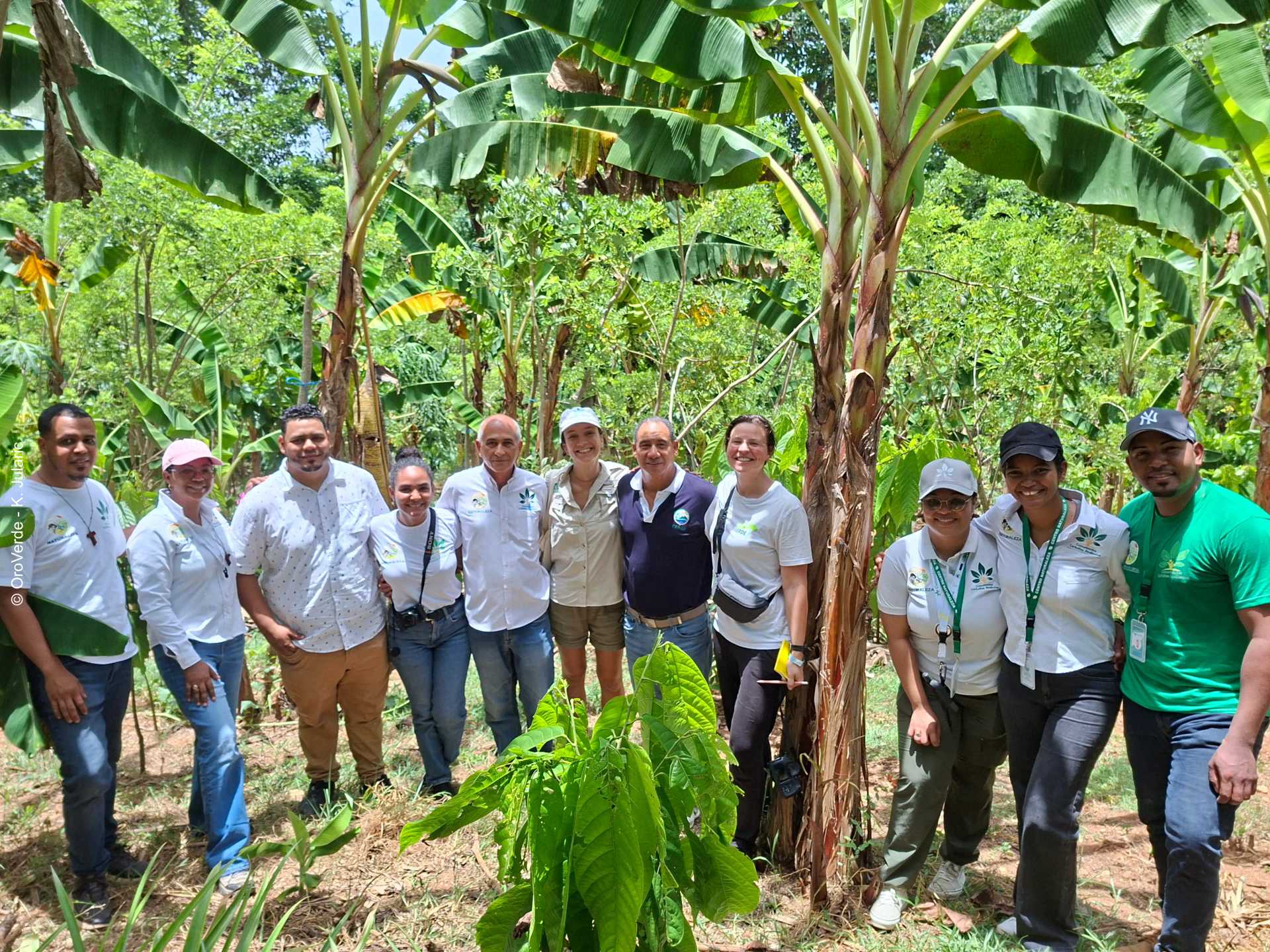
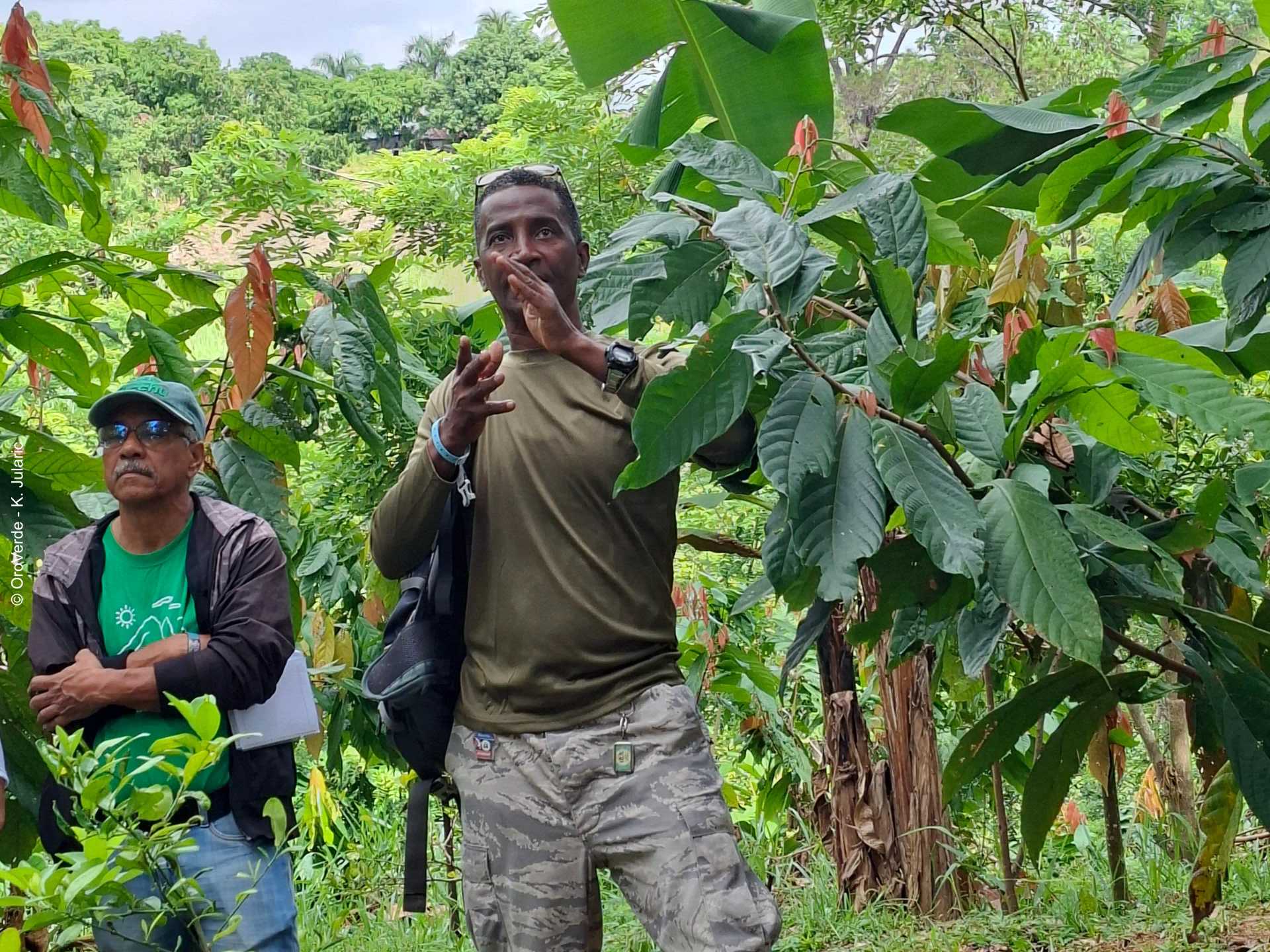
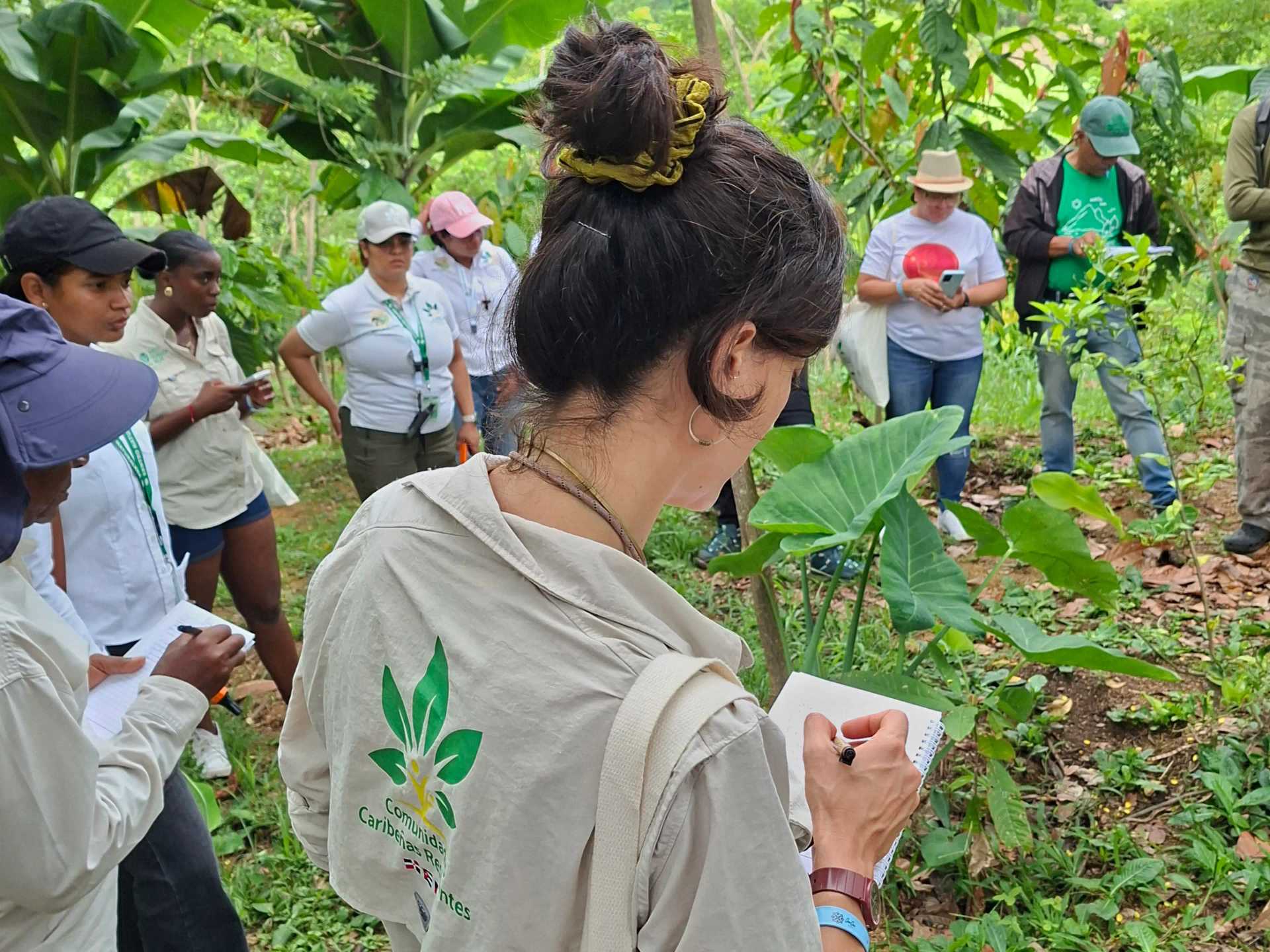
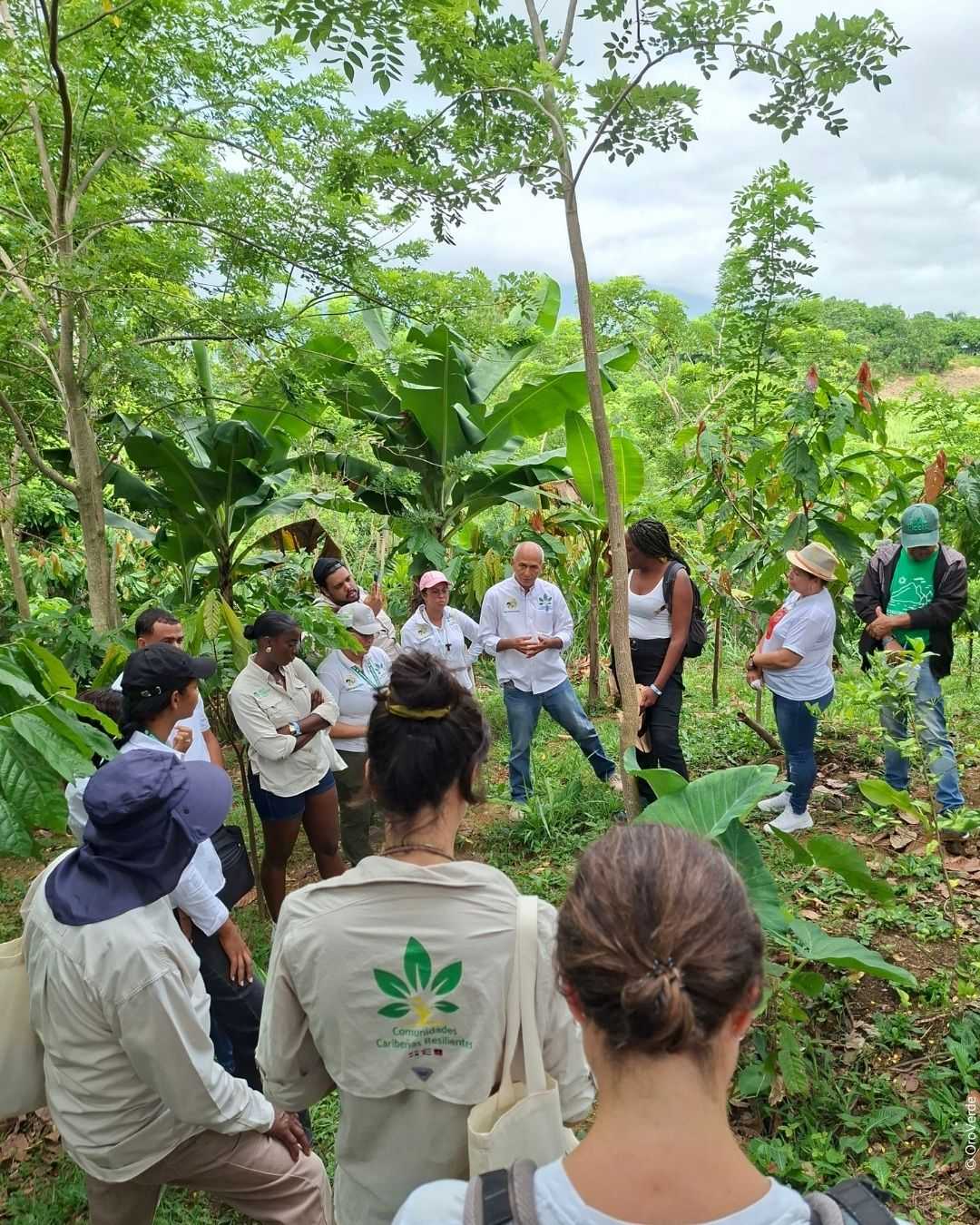
Beyond production, “Piso Verde” functions as a demonstration plot where practical agriculture meets scientific research to validate climate resilience. Through the installation of monitoring stations, environmental data such as precipitation and soil moisture are continuously collected and evaluated every two weeks in collaboration with technical experts. This systematic monitoring documents the concrete effects of EbA measures on the water balance, fostering knowledge exchange through hands-on field trips and enabling these successful strategies to be replicated.
The farm’s remarkable transformation has had a profound impact on the community, to the point that neighbors recognize the immense value the property has gained, making the farmer a role model for women’s leadership in rural areas. With a visionary outlook, Wendy plans to expand her honey and cocoa production, market her products directly, and venture into ecotourism. This success story reaffirms that the combination of local effort and strategic partnerships is key to driving real change toward sustainability.
be up to date with us